
Rhythm is one of the most recognizable elements of music. People often tap their feet, clap their hands, or move their bodies when they hear a strong beat. This natural connection between rhythm and movement has attracted interest from researchers studying the brain, hearing, and motor coordination.
How the Brain Processes Rhythm
Check these out:
Detecting Patterns
The brain is highly responsive to repeating patterns. A regular beat provides a predictable structure that allows listeners to anticipate when the next sound may occur. This anticipation can make rhythmic music feel engaging.
Connecting Sound and Movement
The brain coordinates information from hearing with systems responsible for movement. This helps explain why people can naturally synchronize actions with a beat.
Musicians and dancers develop this ability through repeated practice.
Rhythm and Human Activity
See below:
Walking and Movement
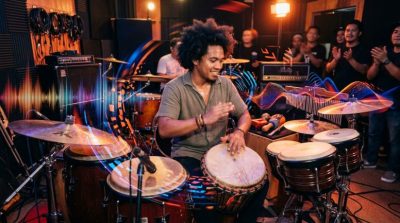 People can naturally adjust their movements to an external rhythm. Music with a steady beat can therefore influence how someone walks, exercises, or performs repeated movements.
Group Synchronization
Rhythm can also encourage groups of people to coordinate movements. Clapping, dancing, marching, and other shared activities demonstrate how sound can influence collective behavior.
Why Rhythm Feels Different
Not everyone responds to the same rhythm in the same way. Musical culture, personal preference, familiarity, and individual experiences can influence how a person perceives and responds to music.
Different rhythms can therefore produce different reactions among listeners.
Conclusion
Rhythm connects music with the science of hearing, prediction, and movement. The brain recognizes patterns and can coordinate auditory information with physical actions, helping explain why a strong beat can make people want to move. Music demonstrates how closely the human brain connects sound with physical experience.